

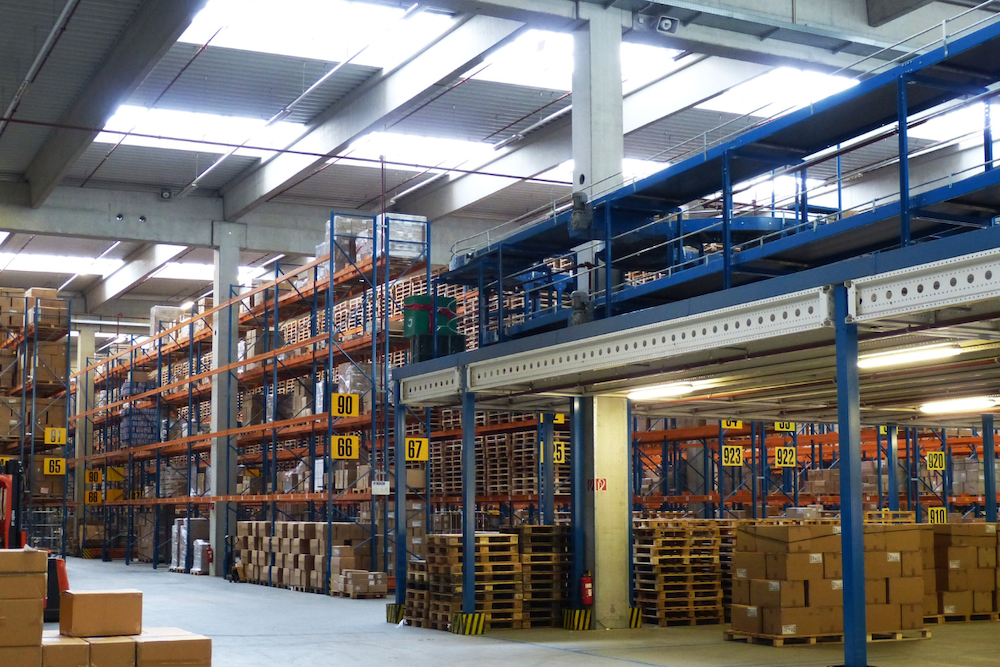
Warehouses are one of the most complex environments for HVAC systems. With large open spaces, high ceilings, fluctuating occupancy, and constant operational demands, maintaining consistent temperatures and efficiency can be a real challenge.
Rather than a one-size-fits-all approach, effective warehouse HVAC design comes down to understanding the specific issues at play, and implementing targeted solutions that improve performance where it matters most.
Issue: Heat Stratification in High Ceilings
In most warehouses, warm air naturally rises and collects near the ceiling. This creates a noticeable temperature difference between upper and lower levels, leaving staff working on the floor in colder conditions while energy is effectively wasted above.
Solution: Destratification and Air Movement
Destratification fans or large ceiling fans help circulate warm air back down to ground level, creating a more consistent temperature throughout the space. This reduces the need to overheat the building and improves overall energy efficiency.
The result is a more comfortable working environment without increasing system load.
Issue: Inconsistent Use of Space
Not all areas of a warehouse are used equally. Some zones are high-traffic and operationally critical, while others may be used intermittently or for storage only.
Conditioning the entire space to the same level can result in significant energy waste.
Solution: Zoned HVAC Control
Zoning allows different areas of the warehouse to be heated or cooled independently based on usage. High-activity zones can be prioritised, while low-use areas can operate at reduced levels.
This approach improves comfort where it’s needed most while reducing unnecessary energy consumption across the facility.
Issue: Air Loss Through Open Doors and Loading Bays
Frequent opening of roller doors and loading bays allows conditioned air to escape and outside air to enter. This places additional strain on HVAC systems and makes it difficult to maintain stable internal conditions.
Solution: Air Curtains and Access Management
Installing air curtains or rapid roller doors helps minimise air exchange when access points are in use. Operational strategies, such as reducing unnecessary door openings, can also make a noticeable difference.
Improving air retention allows HVAC systems to operate more efficiently and maintain more consistent temperatures.
Issue: Heat Generated by Equipment and Operations
Machinery, lighting, and daily operations can generate significant internal heat, creating localised hot spots and increasing overall cooling demand.
Solution: Heat Load Management
Reducing unnecessary heat generation helps take pressure off your HVAC system. This can include upgrading to energy-efficient lighting, maintaining equipment, and turning off machinery when not in use.
Managing internal heat loads allows your HVAC system to perform more effectively and maintain better temperature balance.
Warehouses present a unique set of HVAC challenges, but with the right approach, they can be managed effectively.
A tailored HVAC solution, designed specifically for the way your warehouse operates will always deliver better long-term performance than a one-size-fits-all system.