

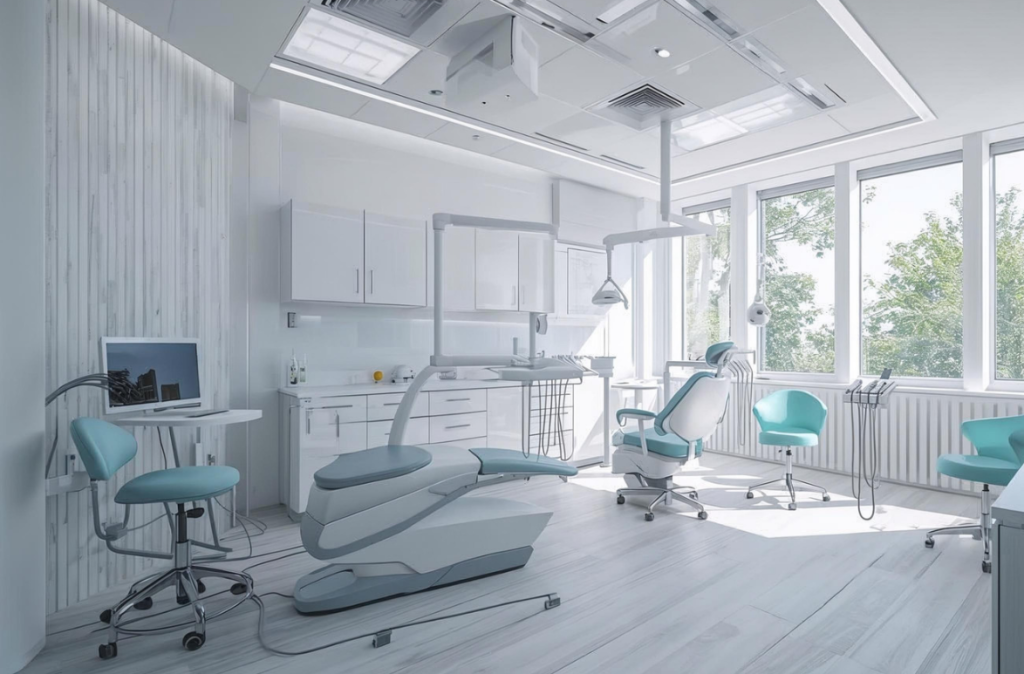
In healthcare environments, heating, ventilation and air conditioning systems do much more than maintain a comfortable temperature. They play an important role in managing indoor air quality, controlling humidity and supporting safe, reliable building operations.
From medical centres and specialist clinics to hospitals and treatment facilities, healthcare buildings have unique HVAC requirements that need to be carefully considered during system design, installation and ongoing maintenance.
Maintaining Indoor Air Quality
Indoor air quality is particularly important in healthcare settings, where patients, staff and visitors may have different health needs and levels of vulnerability.
Effective ventilation helps manage airborne contaminants and maintain appropriate indoor conditions. Depending on the facility and the activities taking place, this may involve specific outdoor air requirements, filtration systems and controlled airflow between different spaces.
Healthcare HVAC systems must be designed to meet the relevant Australian standards and the particular requirements of each clinical environment.
Temperature and Humidity Control
Different areas within a healthcare facility can have very different temperature and humidity requirements.
Waiting rooms and consultation spaces generally prioritise occupant comfort, while treatment rooms, laboratories and specialised clinical areas may require more closely controlled environmental conditions.
Maintaining appropriate humidity levels is also important, as excessive moisture can contribute to condensation and microbial growth, while overly dry conditions can affect comfort.
A properly designed commercial HVAC system helps maintain suitable conditions for each space.
Reliable Operation and System Maintenance
Healthcare facilities often operate for extended hours, and some areas require continuous environmental control.
An unexpected air conditioning failure can disrupt operations, affect patient comfort and potentially compromise temperature-sensitive processes or equipment.
Regular HVAC maintenance is therefore essential for identifying potential issues before they result in costly breakdowns.
Depending on the facility, planned servicing may include inspecting filters, checking airflow, testing controls and reviewing overall system performance.
For critical environments, additional system resilience and backup arrangements may also be required.
Energy Efficiency Without Compromising Performance
Healthcare buildings can have significant energy demands, particularly where ventilation and temperature control are required around the clock.
Modern commercial air conditioning systems can incorporate energy-efficient technologies and intelligent controls to help manage consumption while maintaining the necessary indoor conditions.
However, energy-saving measures must always be balanced against clinical ventilation, infection control and operational requirements.
Choosing the Right HVAC Solution
There is no single HVAC solution suitable for every healthcare facility. Building size, occupancy, clinical activities, ventilation requirements and operating hours all influence the most appropriate system design.
Planning an HVAC upgrade or reviewing the air conditioning requirements of your healthcare facility? Coral Air understands the unique demands of commercial environments, providing expert advice, practical solutions and ongoing support to help businesses maintain efficient, reliable air conditioning systems.
Please don’t hesitate to get in touch with our team.