

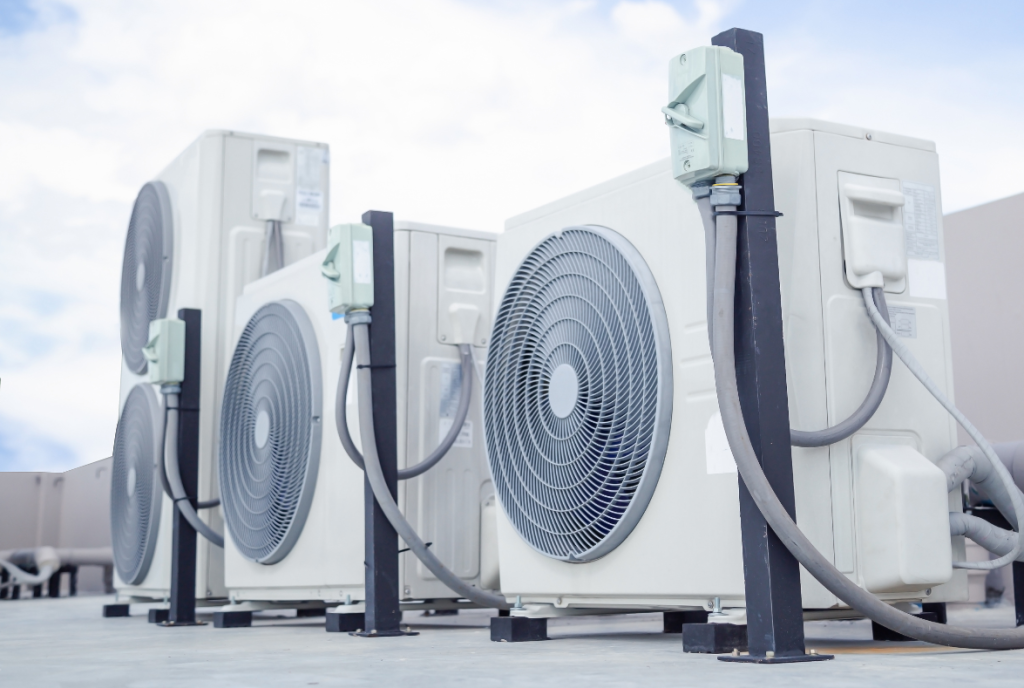
When temperatures drop, maintaining a comfortable and efficient indoor environment becomes a key priority for commercial buildings. But in large indoor spaces, such as offices, schools, and public venues, winter HVAC performance can present unique challenges.
From heat distribution to rising energy costs, here are some practical tips to help optimise your HVAC system through the colder months.
Prioritise Preventative Maintenance
Winter is one of the most important times to ensure your HVAC system is operating at peak performance. Regular servicing allows technicians to inspect components, clean filters and coils, and identify potential issues before they escalate.
For large commercial systems, even small inefficiencies can significantly impact energy use and comfort across the entire building. Preventative maintenance helps avoid uneven heating, unexpected breakdowns, and costly emergency repairs during peak demand periods.
Address Heat Distribution in Large Spaces
In buildings with high ceilings or open-plan layouts, warm air naturally rises, leaving occupants at ground level feeling colder than expected.
To counter this:
- Use destratification fans or ceiling fans to push warm air back down.
- Ensure air diffusers are properly positioned.
- Review duct design and airflow balance.
Proper air circulation is essential to maintaining consistent temperatures and preventing hot and cold zones.
Implement Zoned Heating
Not every area of a commercial space requires the same level of heating at all times. Zoned HVAC systems allow you to control temperatures independently across different areas, improving both comfort and efficiency.
For example:
- High-traffic areas can be prioritised during business hours.
- Low-use zones can be set to lower temperatures.
- After-hours settings can reduce unnecessary energy use.
Zoning is particularly effective in large buildings where occupancy varies throughout the day.
Improve Building Efficiency
Even the most advanced HVAC system will struggle if the building itself is losing heat. Improving insulation and sealing air leaks can significantly reduce heating demand.
Key areas to review include:
- Doors and loading bays
- Windows and glazing
- Roof and ceiling insulation
- Ductwork integrity.
Reducing heat loss allows your system to operate more efficiently and maintain stable temperatures.
Leverage Energy-Efficient HVAC Technologies
Modern HVAC systems offer a range of features designed to improve winter performance and reduce operating costs.
Technologies such as air-to-air heat exchangers can reuse heat from exhaust air to pre-condition incoming fresh air, reducing the energy required to heat the building.
Similarly, smart building management systems can automate temperature control, monitor performance, and adjust settings based on occupancy and external conditions.
Monitor Indoor Air Quality
During winter, buildings are often sealed more tightly to retain heat. While this improves efficiency, it can reduce fresh air intake and impact indoor air quality.
A well-designed HVAC system should balance:
- Temperature control
- Ventilation requirements
- Humidity levels.
Maintaining proper ventilation is critical for occupant comfort, health, and productivity, particularly in workplaces and public environments.
Heating large commercial spaces during winter isn’t just about increasing temperature, it’s about creating a balanced, efficient environment that supports both comfort and operational performance.
With the right combination of maintenance, system design, and smart controls, businesses can reduce energy costs while ensuring consistent comfort across every part of the building.